
cider houses rule
From Bainbridge Island to Port Townsend, local cideries capture the essence of Fall.
Words by Rob Dalton
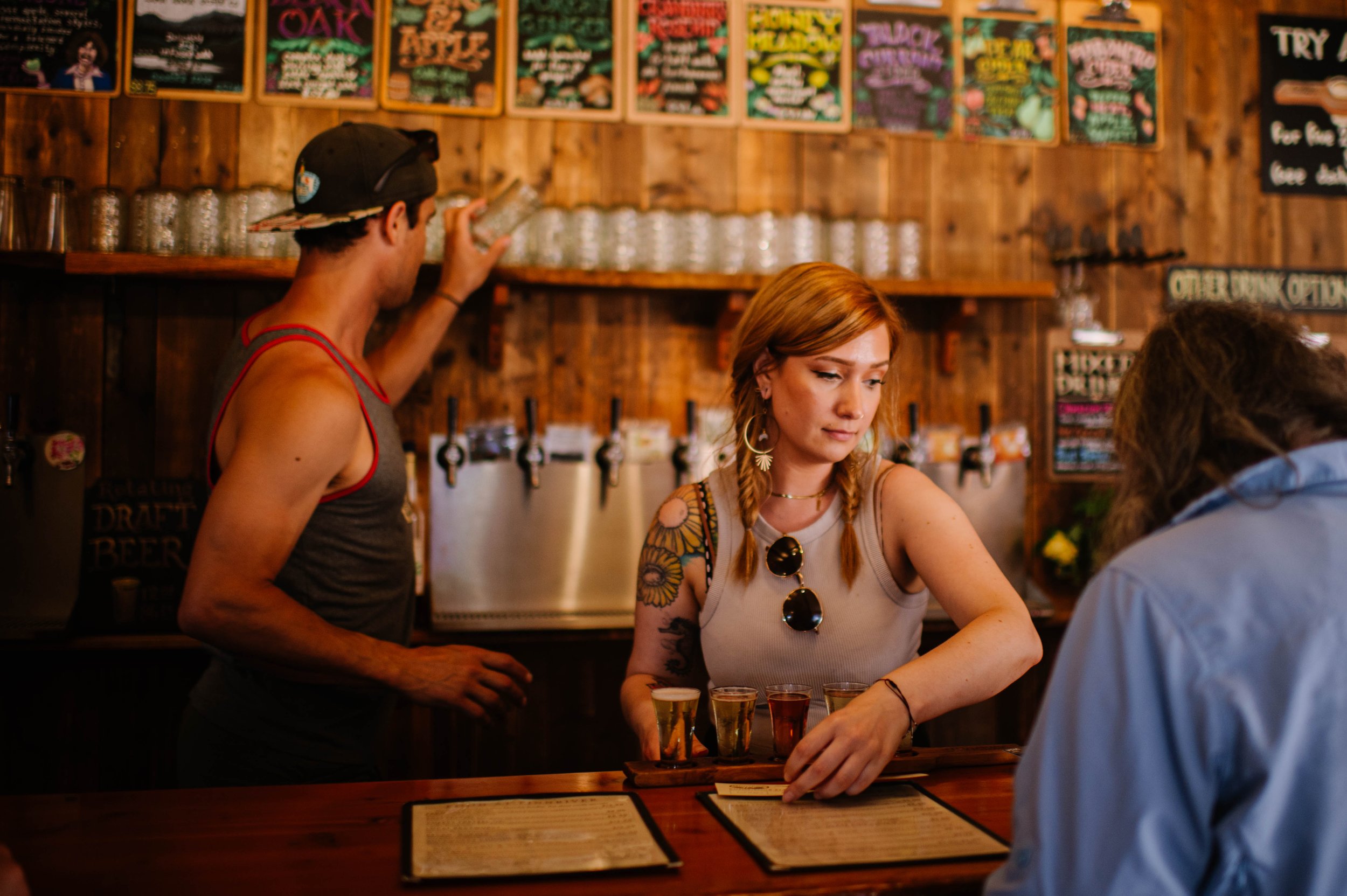
In this misty, moss-carpeted corner of the Apple State, a quiet revolution is fermenting. A vibrant cider scene—equal parts rustic tradition and wild-eyed innovation—is growing in the West Puget Sound. From family-run taprooms with vintage skee-ball games to organic orchards humming with pollinators, these cideries aren’t just making drinks. They’re crafting experiences, building community and redefining what it means to raise a glass.
FINNRIVER
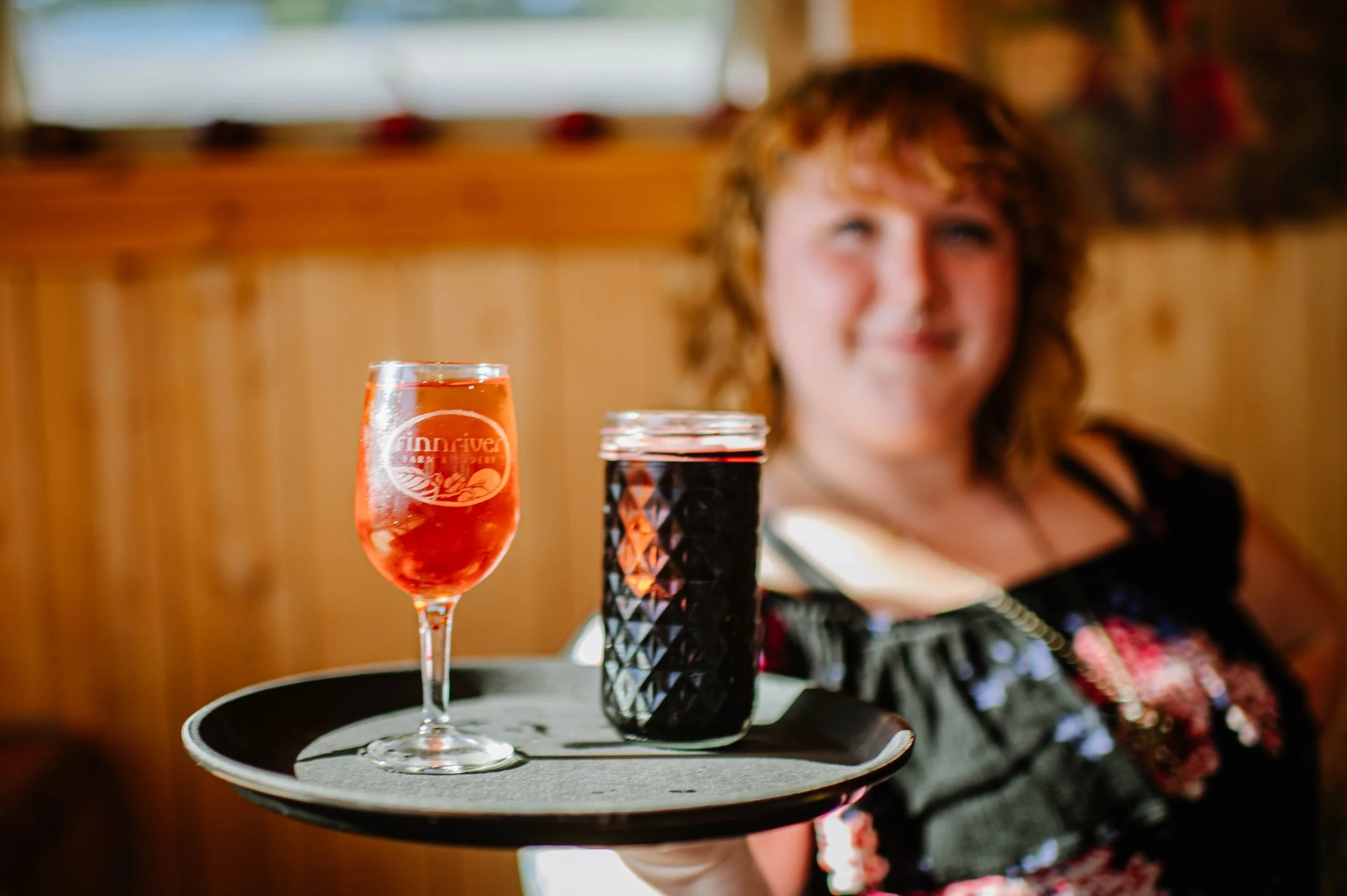
In the green heart of the Chimacum Valley, you’ll find Finnriver Farm & Cidery, a sprawling organic farm, orchard and community nexus where fermentation meets philosophy. Here, cider isn’t just a beguiling beverage—it’s a medium for sustainable storytelling.
“We strive to serve the land with cider,” says Laura Prendergast, Finnriver’s marketing director. That land includes 50 acres, farmed for more than a century, where heirloom apples are grown, pressed, and fermented with reverence. As the region’s first B-Corp cidery, Finnriver champions sustainability at every turn: solar panels power production, salmon-safe practices protect waterways, and their bottle-reuse program is transforming cider-packaging norms.
“At Finnriver, cider is both a celebration of the bounty and a reflection of the place it comes from,” Prendergast explains. “By tending our orchard and cultivating heirloom apple and pear varieties, we preserve these heritage fruits and celebrate the terroir of the valley.” Finnriver ciders are infused with wild-foraged botanicals, like Tideline (notes of crisp citrus peel, slightly nutty finish), which includes hand-picked Nootka rosehips and grand-fir tips.
Finnriver Botanical Ciders feature local elements that capture the essence of every season. “From lavender to dandelion root, these ingredients bring nuance and complexity to our ciders, offering a sensory experience that connects to the region’s natural rhythms,” Prendergast says. “Honey Meadow in the spring, Lavender Black Currant in the summer, followed by Forest Ginger, Cranberry Rosehip and Solstice Saffron.”
Finnriver is rooted by a vision of reconnecting people to our sources of sustenance, and the co-founders share a background in outdoor education: “When I saw the pathway from soil to tree to cider press to bottle, I realized that cider could be a way to connect people back to the land,” co-founder Crystie Kisler explains.
Beyond seasonal cider, Finnriver offers orchard bathing, farm walks, and space for visitors to slow down and reconnect. “As we started to share our cider,” Kisler recalls, “I could see the magic of connection wash over folks. It’s a message in a bottle.”
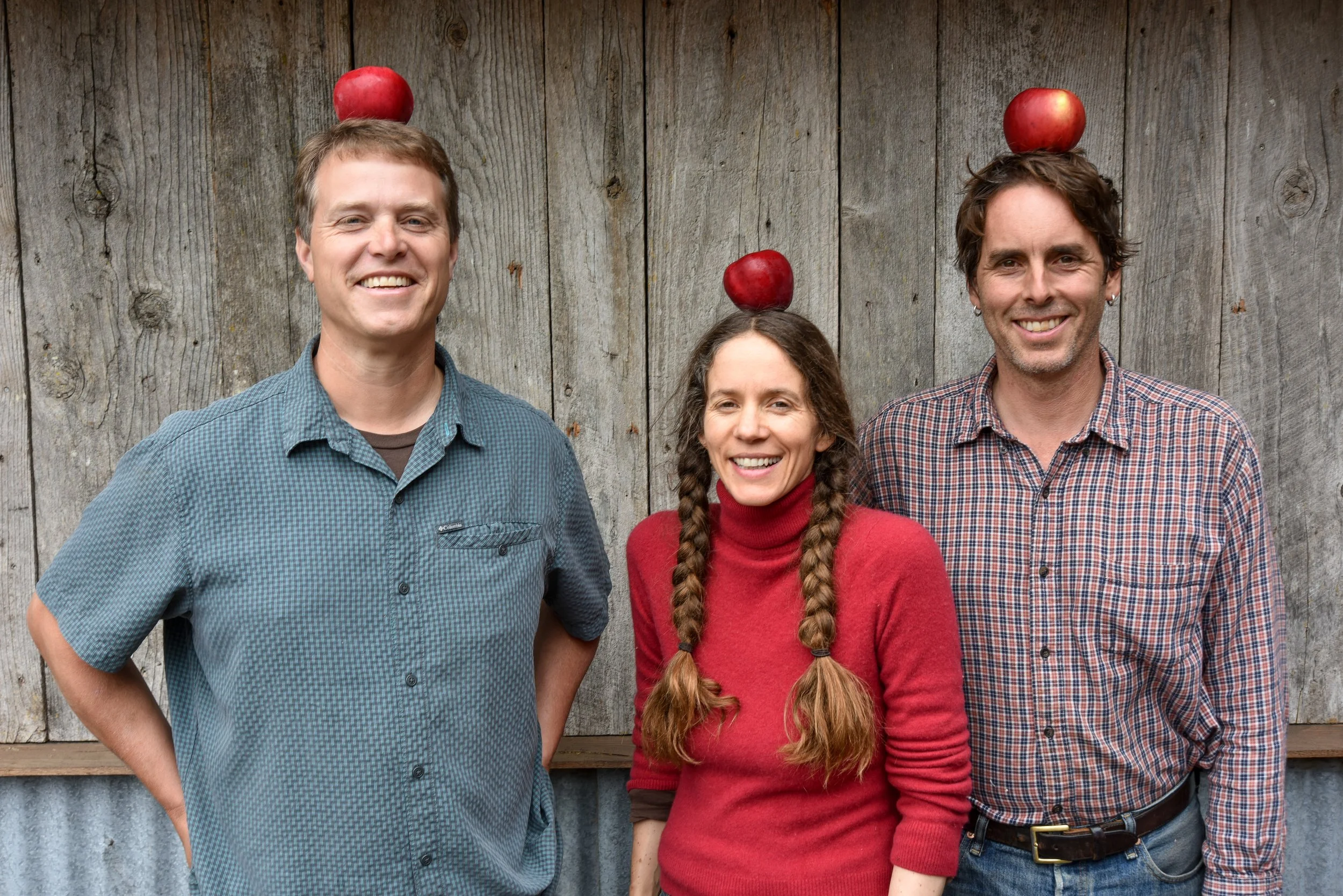
Finnriver founders Eric Jorgenson, Crystie Kisler, Keith Kisler (Photo: Jen Lee Light)
SISTERS’ CIDER HOUSE
Nestled behind a Bainbridge Island shopping complex, Sisters’ Cider House isn’t where you’d expect to find one of the most fiercely creative cider operations in the region. But step inside—past tantalizing taps and a bookcase crammed with classic board games—and it’s clear: this is no ordinary tasting room.
Founded by sisters Caron Anderson and Randi Brown, along with their cider-savvy dad Roger and brother-in-law Alex, Sisters’ is as much family therapy as it is business venture. “Taste is subjective, but we all have to agree—we do blind tastings and occasionally duke it out,” Anderson says. “Every cider has to pass multiple sets of taste buds. We are constantly tweaking recipes, trying new things based on the season.”
The result? A 16-tap rotation with more than 100 unique recipes in their repertoire, including cult hits like Strawbanero and Sweet-Ass Bourbon (which have won, “Oh gosh, a lot of People’s Choice awards”), as well as a Cranberry Ginger cider (tart, zesty, bold), born from Anderson’s obsession and wedding ultimatum: “I fought my family hand-and-tooth for ginger,” she recalls. “I was getting married that summer, and finally got my wish. Now we always have a cran-ginger—which we can never swap out because everyone always demands it!”
While Sisters’ Cider House keeps cranking out delicious new delights, it’s not just about cider. Sisters’ is a multigenerational playground where you might catch a Harry Potter–themed trivia night, a “not-so-newlywed” game, or a Dungeons & Dragons campaign playing out beside a raucous Bunco league. “There’s not a lot to do on the island for families,” Anderson says. “We wanted to create a place where all ages can have fun.”
That philosophy extends to their community-first business model: a dollar from every cider poured at their frequent fundraising fetes is donated to local causes. Their ethos? Good taste, good fun and good deeds—on tap.
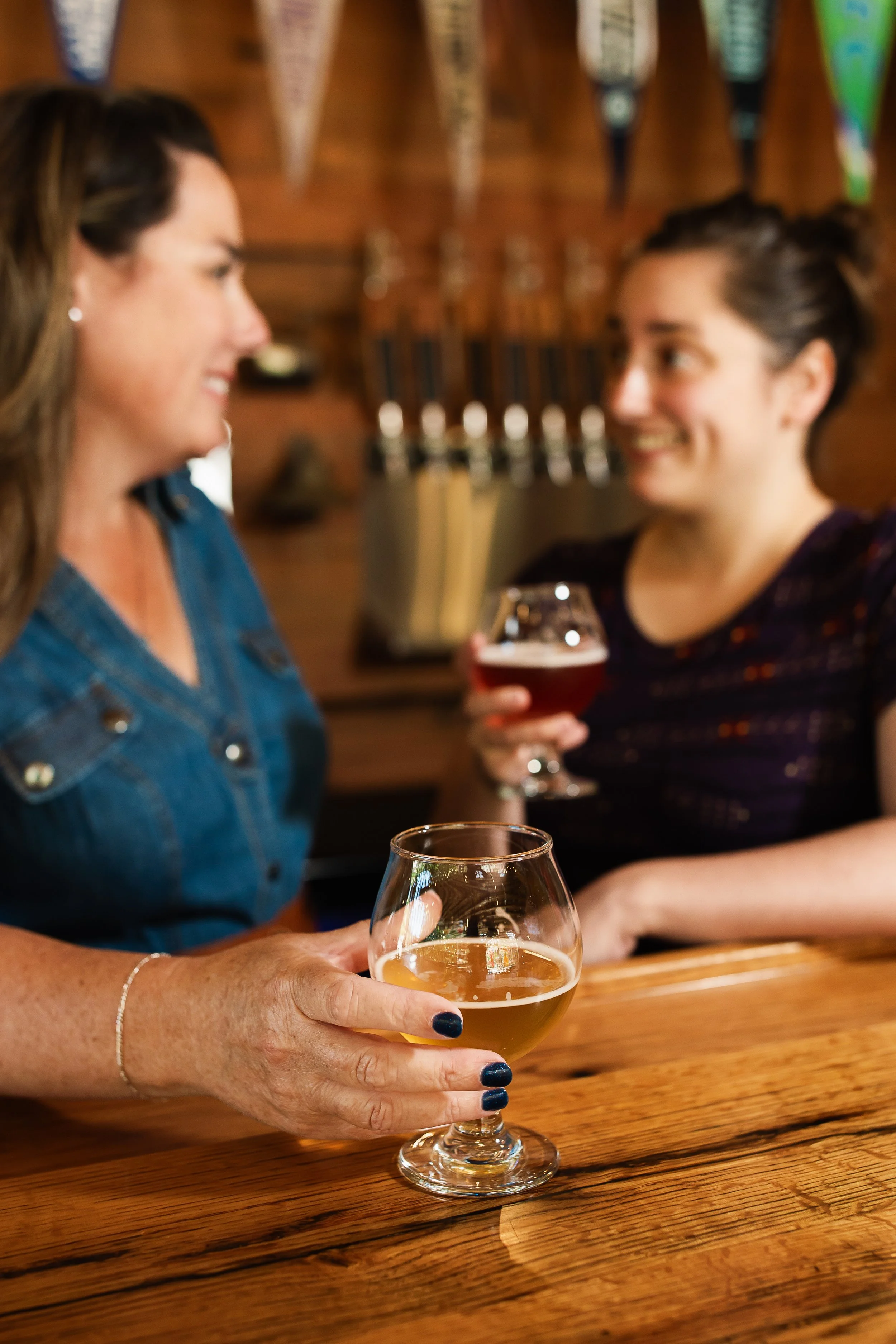
Sisters Randi Brown and Caron Anderson of Sisters’ Cider House (Photo: Lindsey Nolan)
ALPENFIRE
If Sisters’ is cider as collaboration and Finnriver is cider as communion, Alpenfire is cider as craft. Tucked down a quiet lane in Port Townsend, Alpenfire was the first certified organic cidery in the West. Since 2003, Bear and Nancy Bishop— and now their son Philippe—have been nurturing a small but mighty orchard of bittersweet and bittersharp apples, the wine grapes of the cider world.
“My folks wanted to make the cider they couldn’t find in the early 2000s, which led to apple explorations in England, France and Spain,” explains Philippe. “The trip opened their eyes to ciders made from apples they had never heard of—small orchards and cideries producing amazing products driven by acids and tannins, where most ciders in the PNW were driven by sweetness. They realized not all apples make great cider; you need sweetness, acidity and astringency.”
The Alpenfire process is deliberate and traditional: rack-and- cloth pressing, wild and inoculated fermentations in stainless steel, and no filtration. The results are rich, complex ciders that can take years before release. The cidery’s Burnt Branch Reserve series, made in 30-gallon batches, is reserved for their devoted cider club, while the public can enjoy new single varietals like Golden Russet (notes of honey and stone fruits) and Ashmead’s Kernel (tropical with bright acidity) at the tasting room.
“We want the orchard to speak for itself,” Philippe concludes. “We try not to get in the way.”
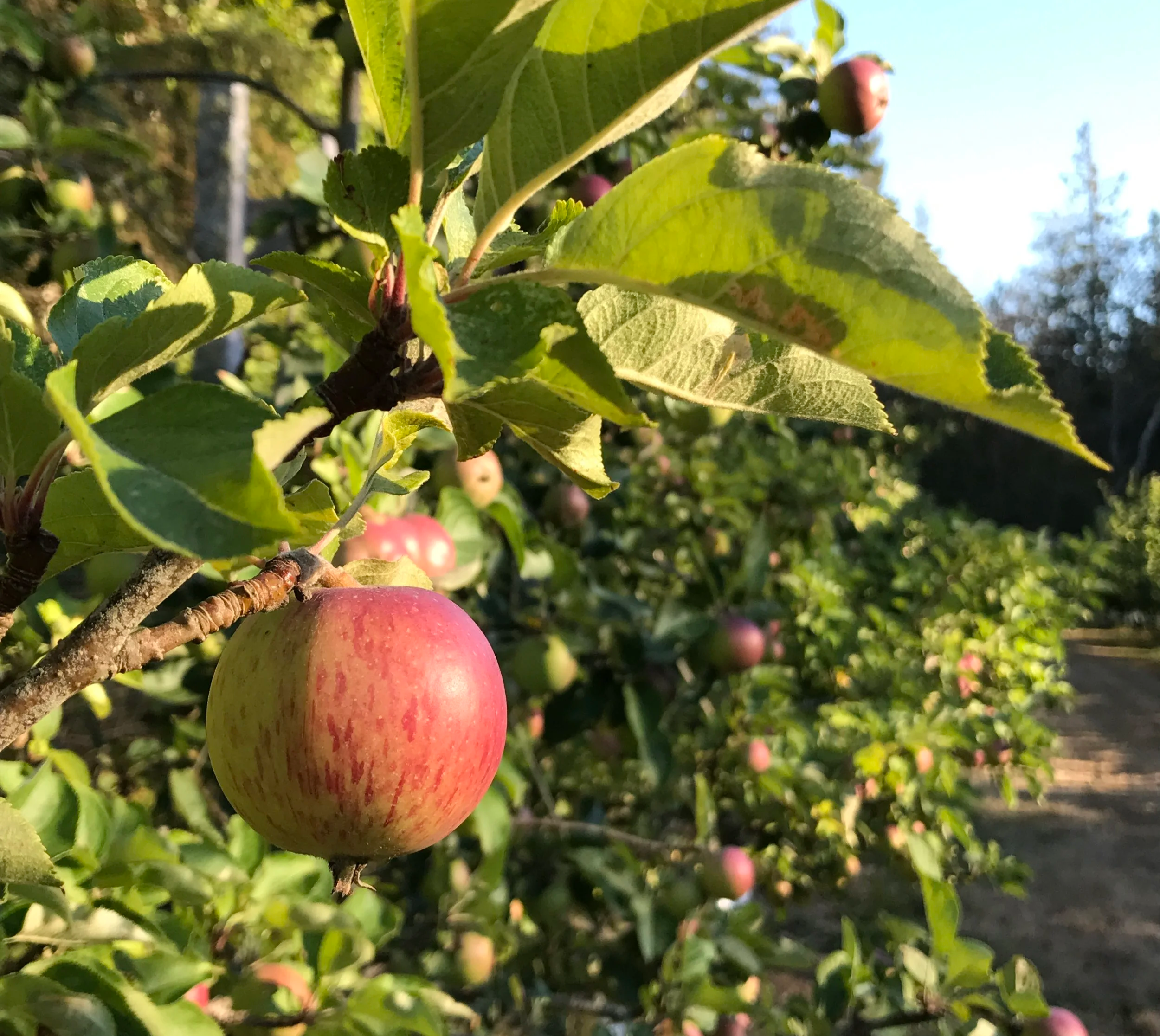
(Photo: courtesy of Alpenfire)
BUSHEL & BARREL
Just off Highway 3 on the outskirts of Poulsbo, Bushel & Barrel Ciderhouse offers a different kind of cider utopia—part barn party, part community center and all heart. Founded in 2014 by veteran fermenter Melissa Kittrell, Bushel & Barrel was Kitsap County’s first cidery. Its motto, “Micro Cidery ... MACRO Cause,” plays out through wild, joyful events like the Ciderhouse Highland Games, Soggy Sasquatch Festival and their annual cheeky “Ciderboys” calendar fundraiser.
“At Bushel & Barrel, we don’t just make cider—we use it to tap into the heart of our community,” Kittrell explains. “Our motto reflects our belief that a small business can have a big impact. We also give back through our Ciderhouse BIG GIVE, where a portion of sales goes to local organizations like North Kitsap Fishline, the Humane Society, and Guitars for Vetscauses that matter to us deeply.”
Kittrell, who studied cider-making in England, crafts small-batch ciders that nod to tradition but never take themselves too seriously. Sourced from Eastern Washington fruit and made on-site, Bushel & Barrel ciders are best enjoyed with a side of live music, trivia night or by the firepit with a goat at your feet.
The cidery’s investment in a larger press hints at even more community engagement. “We might start inviting folks to watch the press in action,” she says. “Sharing this process is part of what makes cider special. These kinds of efforts are at the heart of what we do—turning cider into connection, laughter into support and good times into tangible impact.”
For Bushel & Barrel, cider is more than a beverage; it’s a bridge between enjoying good times and doing good. “I wear a lot of hats here,” Kittrell concludes, “owner, cidermaker, bookkeeper, keg delivery driver, and even part-time goat wrangler. I truly enjoy running into other cider makers at events and seeing what everyone’s working on. There’s a spirit of mutual support and creativity that keeps this industry exciting.”
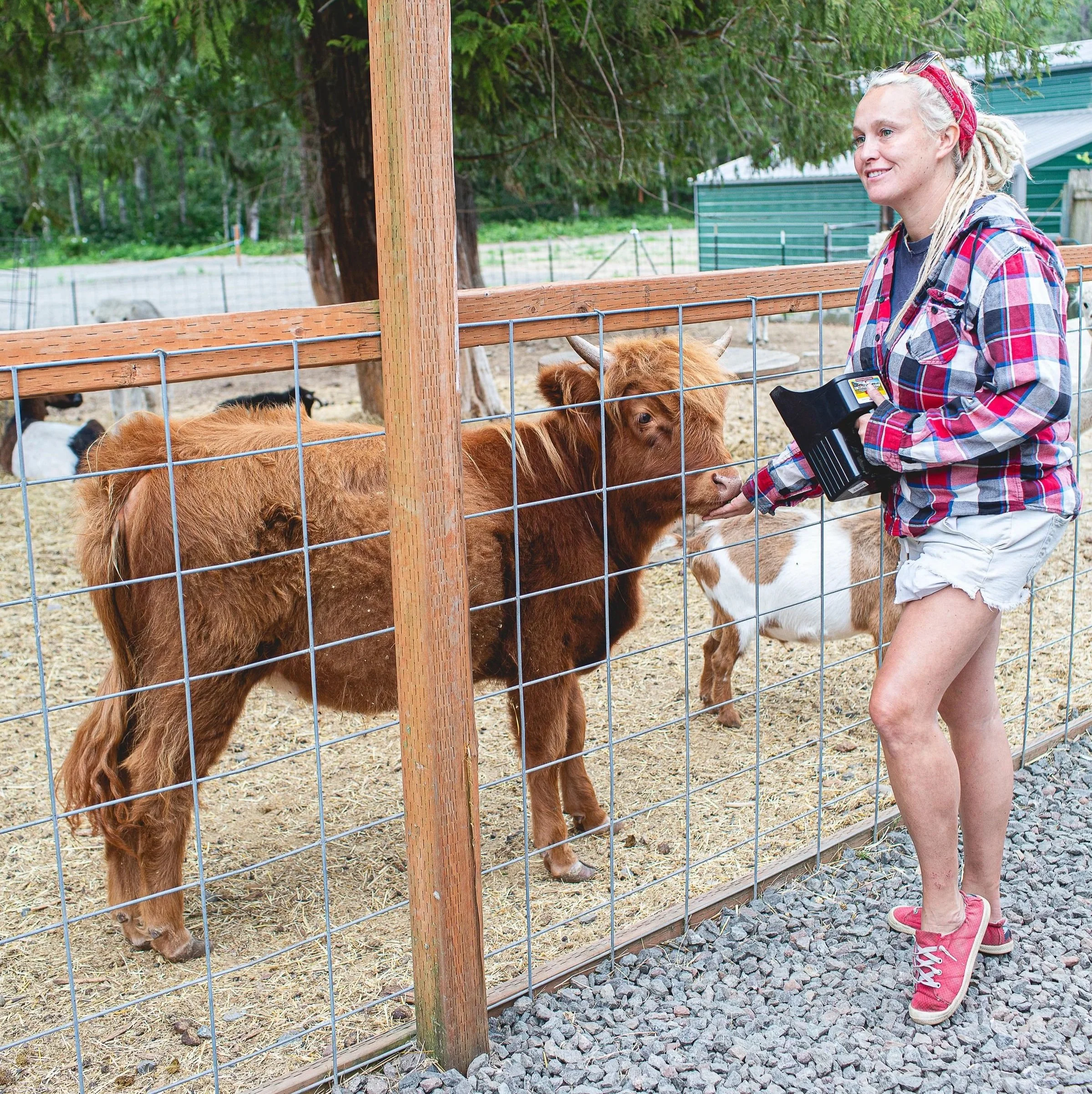
Navy veteran Melissa Kittrell of Bushel & Barrel Ciderhouse also operates Beaver Bend Farm, where farm animals greet ciderhouse guests. (Photo: Erinn J. Hale)
COLLABORATIVE COMMUNITY
Despite differences in style, philosophy and setting, West Sound cider houses share more than a region—they share ideas, passion and emergency kegs. When Sisters’ needed apples during COVID, Finnriver offered to place the order with no markup. When they had a keg shortage, Echoes Brewing in Poulsbo stepped in. “It’s one of the most supportive industries I’ve ever been part of,” Sisters’ Anderson says. “Everyone has been so nice and helpful. Even though in the stores we’re competitors, outside we’re not. We bend over backwards to help each other.”
In a region where the fruit is local, the flavors are bold and the ethos is collaborative, the West Sound cider scene proves that with the right ingredients—craft, care and a little chaos— you can bottle more than just a drink. You can bottle a feeling: connected, inspired and a little bit buzzed on possibility.
APPLE-SOLUTELY FABULOUS
The Olympic Peninsula Apple & Cider Festival returns for its ninth year, October 9–12, transforming Port Townsend into a happy haven for apple aficionados and cider enthusiasts. Hosted by The Production Alliance, this annual agritourism event celebrates the region’s rich agricultural heritage, bringing together farmers, cider makers, and artisans to share the fruits of their labor with the community.
The festival features a variety of events that highlight the traditions of apple harvesting and cider making. From tasting sessions to orchard tours, attendees can immerse themselves in the flavors and aromas that define PNW apple culture.
(Photo: Jen Lee Light)